Silver Spoon and Multimeter to Measure Hull Potential – Flawed Method
Measuring hull potential with a silver spoon and a multimeter?
It has been drawn to our attention that their are several peices of documentation circulating in and around the internet claiming that you can measure your hull potential using a silver spoon and a multimeter.
This concerns us somewhat being electrochemists as the results can differ greatly from meter to meter and spoon to spoon, so we shall attempt to explain here why this method is flawed and the damage that could arise from attempting to replicate this technique.


Firstly using a silver spoon as a reference electrode.
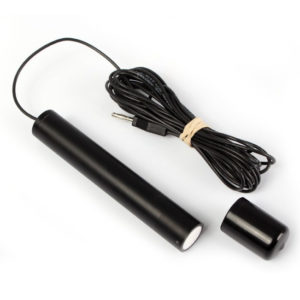
A Silver/Silver Chloride reference electrode does contain silver which is coated with silver chloride (and we believe that is where this myth may have originated) but what little similarity this has to the spoon stops there. The cathodic protection reference electrode has been carefully designed and manufactured to do this specific task with a high level of accuracy time and time again.
There are good and poor quality reference electrodes out there to start with, so delving into the family silver drawer is probably not going to be the best solution to this problem.
Secondly using a multimeter to measure potential
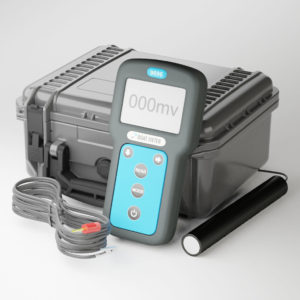
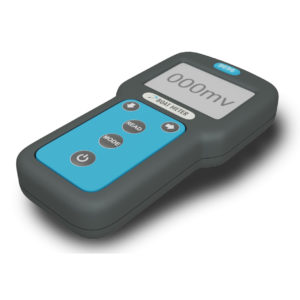
We have over time seen people using all types of multimeters to measure hull potential with very mixed and differing results. Shop bought multimeters are designed to measure voltage and currents in a very different enviroment from our bespoke meters. They tend to have different levels of impedence some much higher than others and not necessarily in line with cost, we have seen some inexpensive meters give better results than some of their more expensive counterparts and vice versa. In the end we feel that to get a true reflection of whats going on you are much better off aquiring a meter that is purposely designed for the job in hand.