
Most Common Causes of Boat Corrosion (And How to Fix Them)
Boat corrosion is one of the most frustrating and expensive problems boat owners face. It can damage propellers, stern gear, outboards, hull fittings, and even internal systems if left unchecked. The good news is that most corrosion issues are preventable — and once you understand the causes, you can stop the damage before it becomes costly.
Here are the most common causes of boat corrosion, what they mean, and how to fix them.
Galvanic Corrosion Between Dissimilar Metals
When two different metals sit in an electrolyte (like seawater), the less noble metal sacrifices itself to protect the other. This is galvanic corrosion — and it’s the number one cause of wasted anodes and damaged fittings.
Common signs:
- Pitting on aluminium
- Pinkish colour on brass
- Rapid anode loss
How to fix it:
- Ensure the correct sacrificial anodes are installed
- Avoid mixing incompatible metals
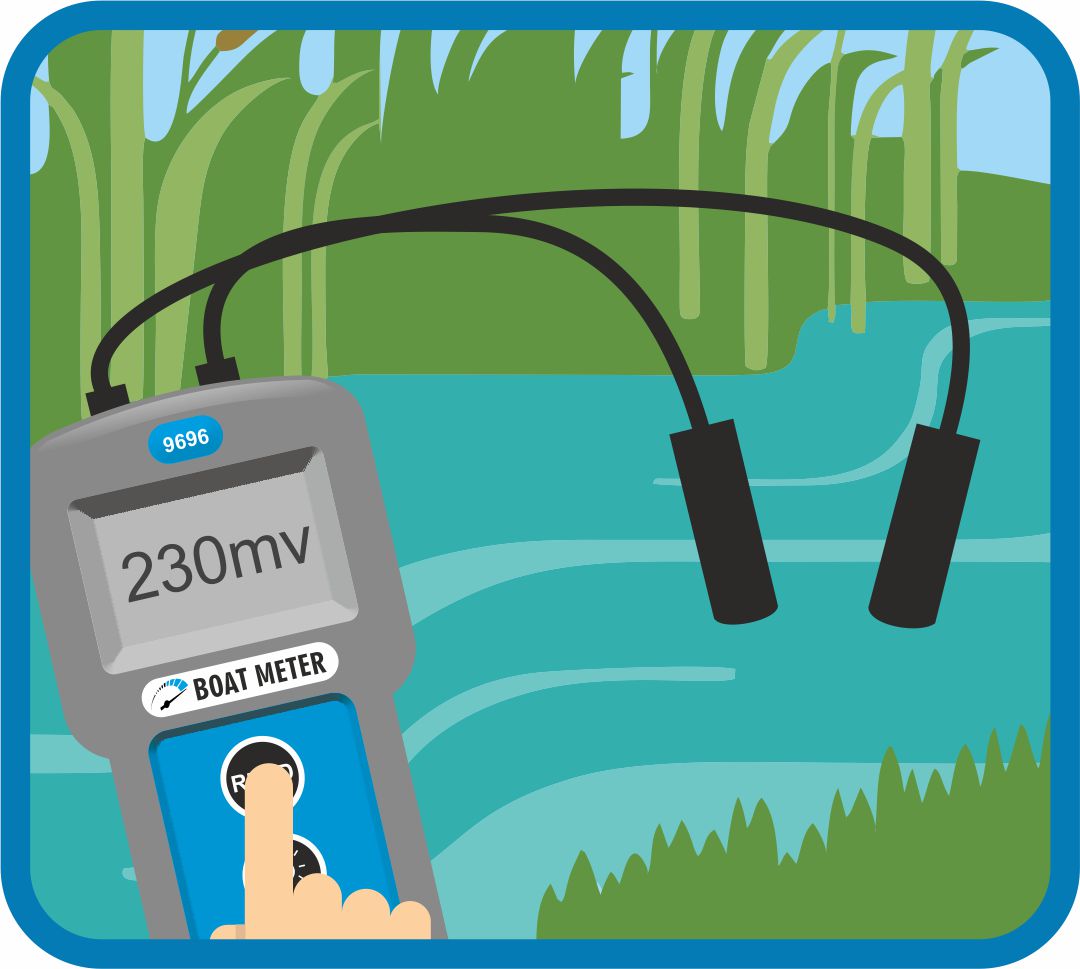
- Test your anodes regularly with an anode test meter
Stray Current Corrosion
This is far more aggressive than galvanic corrosion and can destroy metal components in weeks. It’s caused by electrical faults on your boat or nearby boats leaking current into the water.
How to fix it:
- Inspect wiring for faults
- Check battery chargers and bilge pumps
- Use an anode test meter to confirm your anodes are still connected and protecting your system
Incorrect or Missing Sacrificial Anodes
If your anodes are the wrong material, too small, or missing entirely, your metal components become the target.
How to fix it:
- Saltwater: Zinc or Aluminium
- Brackish water: Aluminium
- Freshwater: Magnesium
- Test anode continuity regularly
Poor Electrical Bonding
If your bonding system is broken, your anodes can’t protect the components they’re supposed to.
How to fix it:
- Check bonding wires for corrosion
- Test continuity with a dedicated anode tester
- Replace damaged bonding straps
Paint Damage or Poor Coatings
Bare metal exposed to seawater corrodes rapidly, especially on aluminium hulls and stern drives.
How to fix it:
- Repair damaged paint immediately
- Use marine‑grade primers and coatings
- Avoid copper‑based antifouling on aluminium
Mooring Next to the Wrong Boat
If you moor next to a boat with electrical faults or incompatible metals, your anodes can disappear rapidly.
How to fix it:
- Use a galvanic isolator
- Test your anodes more frequently
- Move moorings if the problem persists
Lack of Regular Testing
Most boat owners only notice corrosion when it’s too late. By then, the damage is done.
How to fix it:
- Test your anodes at the start and end of each season
- Use a dedicated anode test meter to confirm: – the anode is present – the anode is connected the anode is actively protecting your boat
- This simple check can save you thousands in repairs.
Final Thoughts
Corrosion is inevitable — but expensive damage isn’t. With the right anodes, proper bonding, and regular testing, you can protect your boat and extend the life of every metal component on board.
If you want to check whether your anodes are still doing their job, our UK‑made Anode Test Meter gives you a fast, accurate reading in seconds.